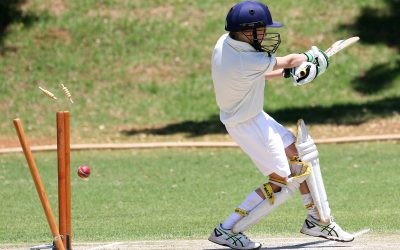
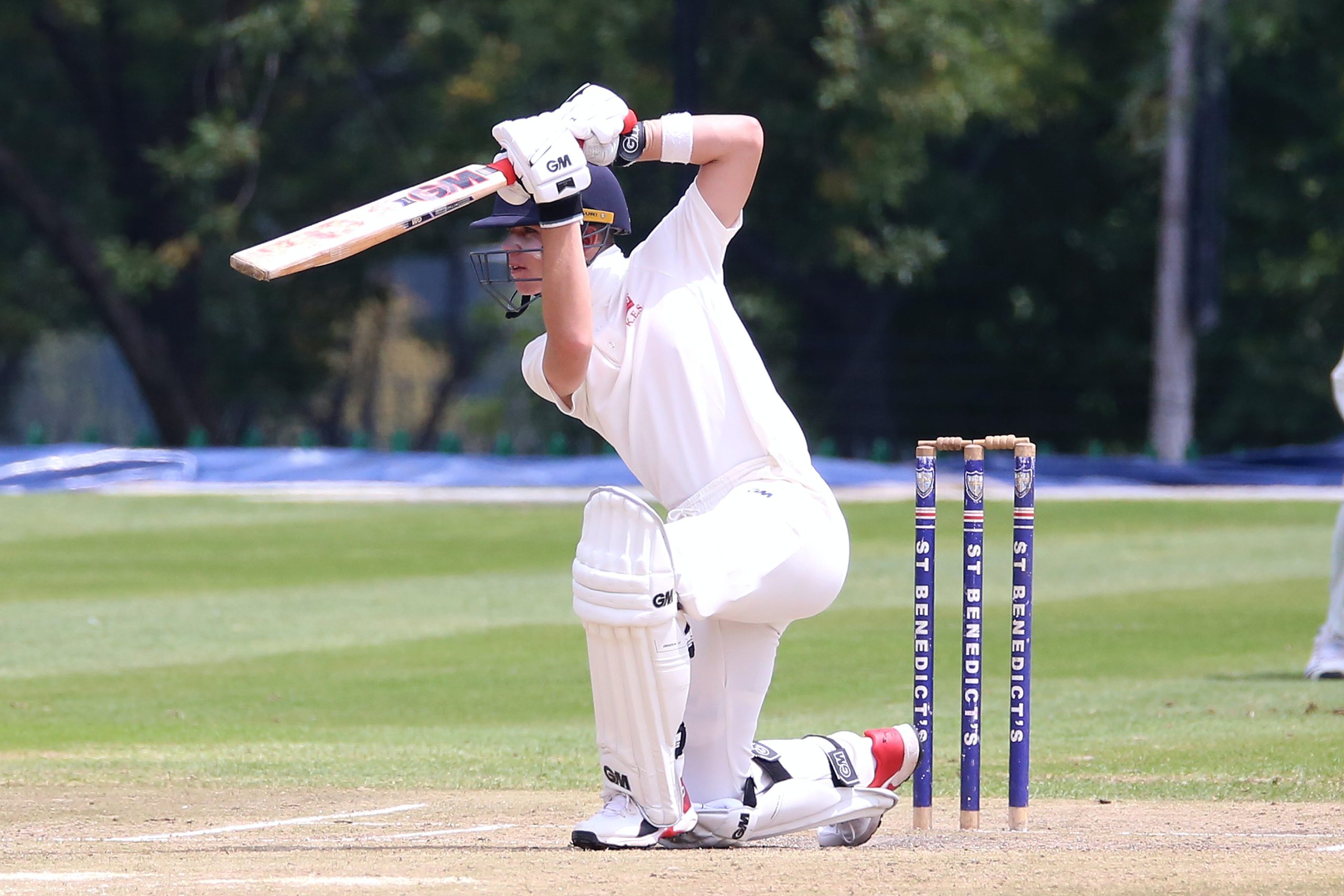
In my final year of school, I captained the Western Province U19A cricket team. In the build-up to the Coca Cola Khaya Majola Cricket Week, one of the players in the team (who would later go onto represent The Proteas) came up to the coach and I for help and said his “confidence in batting was low.” The coach responded by telling him that the way to fix that problem was to write “my batting confidence” on a piece of paper, stick the piece of paper to the bottom of a wall, remove the piece of paper from the bottom of the wall, and place the piece of paper higher up on the wall. By doing this, the coach explained, his confidence in batting would go from low to high. This story does more than highlight the coach’s incompetence. It also speaks to the fleeting nature of confidence in sport and how hard it is to find when an athlete doesn’t have it.
The Power of Confidence
Chat to athletes and most will tell you there is no feeling more empowering than having total confidence in one’s ability. In these moments, it is easy for the mind to be quiet and focussed only on what is necessary to achieve success because doubts and fears don’t exist at that point in time. And it’s also easy for the body to be relaxed because in a confident state the body is trusted to perform the way it is supposed to. It’s this harmonious working together of the body and mind that makes getting into “the zone” or into a “flow state” straight forward when we feel confident. And it’s when in this space that athletes feel primed to perform well.
The Confidence Conundrum
The problem for many is that confidence generally only comes about off the back of good performances. It’s a very hard feeling to manufacture out of nowhere. And sometimes in sport, no matter how hard we try, we go through stages where results simply don’t go our way. Bad form is no conspiracy theory. So how do we navigate these times when our performances aren’t what we want them to be and we are bereft of confidence?
Here, it must be emphasised that athletes should of course harness confidence as much as they can when they have it. They must ride that wave for as long as they can, enjoying it to the fullest. Confidence is real. It largely explains why in cricket batters often have a run of low scores and then will get three or four good scores in a row. It also largely explains why golfers can go long periods of time without winning a tournament and then suddenly win back-to-back tournaments.
However, with the utility and power of confidence now clearly understood, it’s also vital that athletes don’t become dependent on confidence to perform because if we only ever perform well when we are feeling confident, then we aren’t going to perform well as often as we could do. Because confidence is so mercurial and can be so fleeting, athletes must aim to believe that they can perform, irrespective of whether they have it or not.
Create Comfort
In this context it’s incredibly helpful to shift one’s focus from striving for a feeling of CONFIDENCE to striving for a feeling of COMFORT. Because feeling comfortable is something we can control, whereas feeling confident is something that is often out of our control. Comfort is vital because even if the athlete doesn’t feel entirely confident in their ability at a certain moment in time, if they are comfortable they will be less distracted and more focussed on the task at hand than if they are uncomfortable.
Consistent routines are of great assistance in this regard. They create a feeling of familiarity which the mind and body respond well to. Of course, every athlete is different. However, small rituals like focussing on our strengths during practice, meditating, recollecting our best performances, wearing well-fitted match-clothing, using equipment we trust, being in optimal physical condition, eating healthy and tasty food, getting proper sleep, listening to music that inspires us, and connecting with supportive people are some examples of things than can enable that feeling of comfort. In pursuing comfort the athlete gives themselves agency and assumes increased responsibility for their performances.
Closing Word
I’ll never forget that conversation between my Western Province U19A cricket coach and my teammate who had lost confidence in his batting. It stuck with me because I was troubled by the coach’s inability to find the words to help him. I don’t believe that the coach intended to belittle my teammate or minimise his problem. However, I do believe that he never knew how to help him. And the truth is, at that stage of my career, I never knew what to say either. If I could teleport my current self back to that interaction though, I would explain to my teammate that confidence is slippery and is hard to manufacture. And I would advise him to shift his focus towards making himself feeling comfortable rather than trying to make himself feel confident.