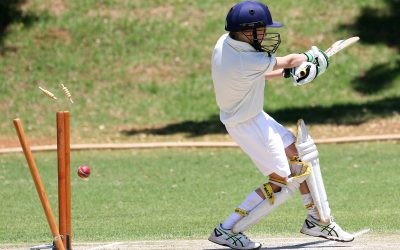
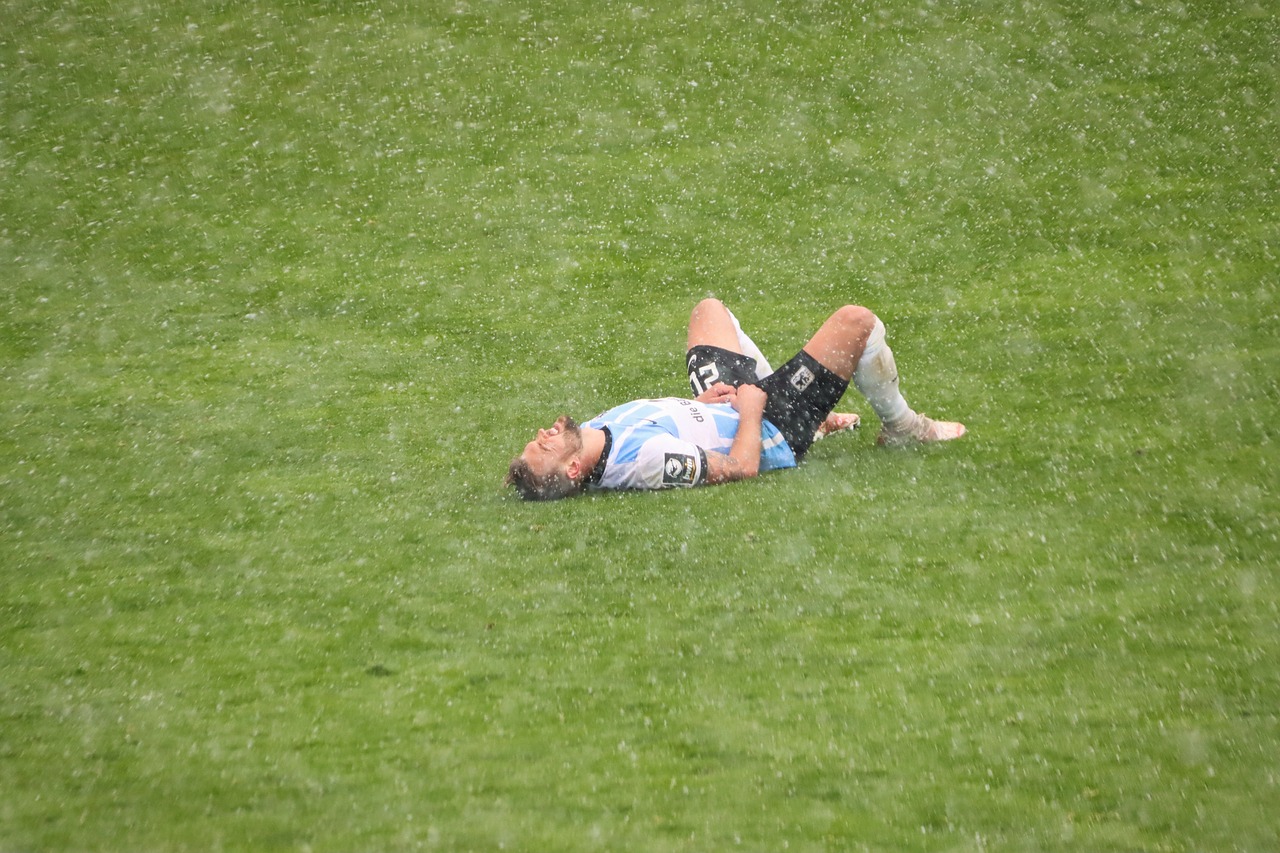
Fear of failure in sport is when athletes become unnerved at the prospect of not performing to the level that is expected and not achieving results that are deemed to be “good”. Most athletes experience a fear of failure at some stage in the build-up to matches, performances, or competitions. This is okay. However, some athletes experience fear of failure so intensely that it drastically alters their behaviours, negatively impacts their mental well-being, and consequently impairs performance. This is not okay.
For instance, athletes who suffer from a fear of failure often start to avoid competing. They rationalise that if they don’t compete, they have nothing to be scared of… because they can’t fail if they’re not playing. Faking injuries is a common tactic used by athletes with a fear of failure to escape having to play.
Athletes who suffer from a fear of failure also typically start to enjoy sport less. Some play more to avoid the pain of failure than they do for the exhilaration of success. For a few this pressure brings out good performances but this source of motivation is dangerous, exhausting, and often unsustainable. For others, this pressure has a choking effect and the athlete becomes distracted by the prospect of failure and so they underperform.
This problem can be managed. The key lies in addressing some of the causes of the problem, rather than the problem itself.
Accept Failure as Part of Sport
Sport, for the most part, is macho. Many athletes are told that failure cannot be part of their vocabulary or thinking. Some coaches think that if failure is never spoken about or entertained, it simply cannot happen. This is rubbish of the highest order. And this kind of thinking, that makes failure out to be this unbearable monster, is what instils fear in athletes. The reality is that in many sports, you’ll fail more than you’ll succeed.
For example, in football, Marcus Rashford was the sixth highest goal scorer in the Premier League in the 2022/2023 season. He scored 17 goals in 35 appearances. If he considers not scoring in a game to be failure, then he failed more than 50% of the season and was still one of the stand-out players in what is believed to be the best football league in the world.
The point is that failure happens in sport (even to athletes and teams who are very good). By accepting failure as part of sport and trusting that we’ll be okay when we fail, we lessen the power it holds over us and we go some way to freeing ourselves up to focusing on what’s going to help us, not hinder us.
Detach Failure from Self-Worth
A line of thinking that fuels fear of failure in athletes is when they believe their self-worth is determined by their performances on the field. In his autobiography, Jonathan Trott, wrote about how he felt like he wore his batting scores round his neck like a dog-tag in everyday life. When he was doing well, he felt good about himself. When he was doing badly, he felt terrible about himself. This way of thinking is common among many athletes who play many different sports. And it’s toxic. To believe that your worth as a human being is determined by your performances is putting yourself under enormous pressure (and the wrong kind of pressure).
To limit the fear of failure, its essential that athletes detach their self-worth from their performances. Athletes must remind themselves that they exist outside the sporting realm too. They must measure their self-worth as a human-being by the quality of their values and their ability to live up to those values. And not by how they perform on a sports field.
Define (or redefine) Failure
Definitions of failure in sport are too basic and outcome orientated. The team fails if they lose the game. The batter fails if he scores a duck. The striker fails if he doesn’t score a goal. Determining failure or success only by looking at the scoreboard at the end of the game is wrong (and lazy too).
Because in the melting pot that is gameday, anything can happen. The opposition can play the match of their season. The umpire can make a bad decision. The conditions can be against us. And subconsciously we know this. And that’s frightening because our performances are being judged when some variables are not in our control.
We can dilute the fear of failure by defining success and failure more in terms of how closely we follow our processes and less by the score at the final whistle. Coaches and athletes need to work out what behaviours will lead to victory. And it’s the execution of these behaviours that we should use to determine whether we have failed or succeeded, not the end result.
In this system, the athlete feels less fearful of failure because the metrics they are being judged on are in their control. And if the behaviours and metrics are the right ones and the athlete executes them, then the outcome should take care of itself. And if it doesn’t, then you say well played to the oppo, reflect on how to make the process better, and move on.
The Closing Word
A fear of failure in sport is normal and okay. However, when it gets to a point where its negatively impacting your performance and mental well-being outside of the game, then it’s a problem. This fear will come and go. The key is not trying to conquer it, but rather having the skills to manage it.
If you feel you battle with the fear of failure in sport and want to develop strategies to deal with this problem, then get in touch with me and I can help you to play the way you want to play.