
I recently had coffee with a highly respected businessman. He had enjoyed endured a 25-year career at the core of a global corporation that had an average annual turnover of £50 billion and employed over 170’000 people throughout the world. Drained by the daily grind of that job, he has now successfully transitioned into Keynote Speaking and Business Transformation Consulting.
I wanted to run my Performance Coaching offerings by him and ask how I could make them better. And it was when we came to speaking about the role emotional energy plays in performance that my eyes were really opened.
The Performance Formula
He felt the single most important part of high performance in any setting was the emotional energy that people bring to their jobs. He defined emotional energy as the vitality, intensity, and spirit with which we perform. And he said he uses the following formula to help him get the best results for his clients.
Performance = (Skill + Experience + Knowledge + Behaviour) * Emotional Energy
This formula asserts that emotional energy is the most important aspect of performance because it serves as a multiplier of all our attributes and competencies. So, this performance formula hypothesises that someone with medium skill, experience, knowledge, and behaviour but high energy will outperform someone with high skill, experience, knowledge, and behaviour but who has low energy. I think this is spot on. In sport, many athletes act as evidence of the legitimacy of this formula.
For instance, Dutch cricketer Roelof Van Der Merwe is not overly talented but brings passion, positivity, and effort every time he plays which maximises his limited skillset and has seen him have an incredibly successful cricket career.
While tennis player Nick Kyrgious, who is as physically gifted as a sports person could hope to be, continuously underperforms, perhaps because he regularly brings such toxic energy to the court.
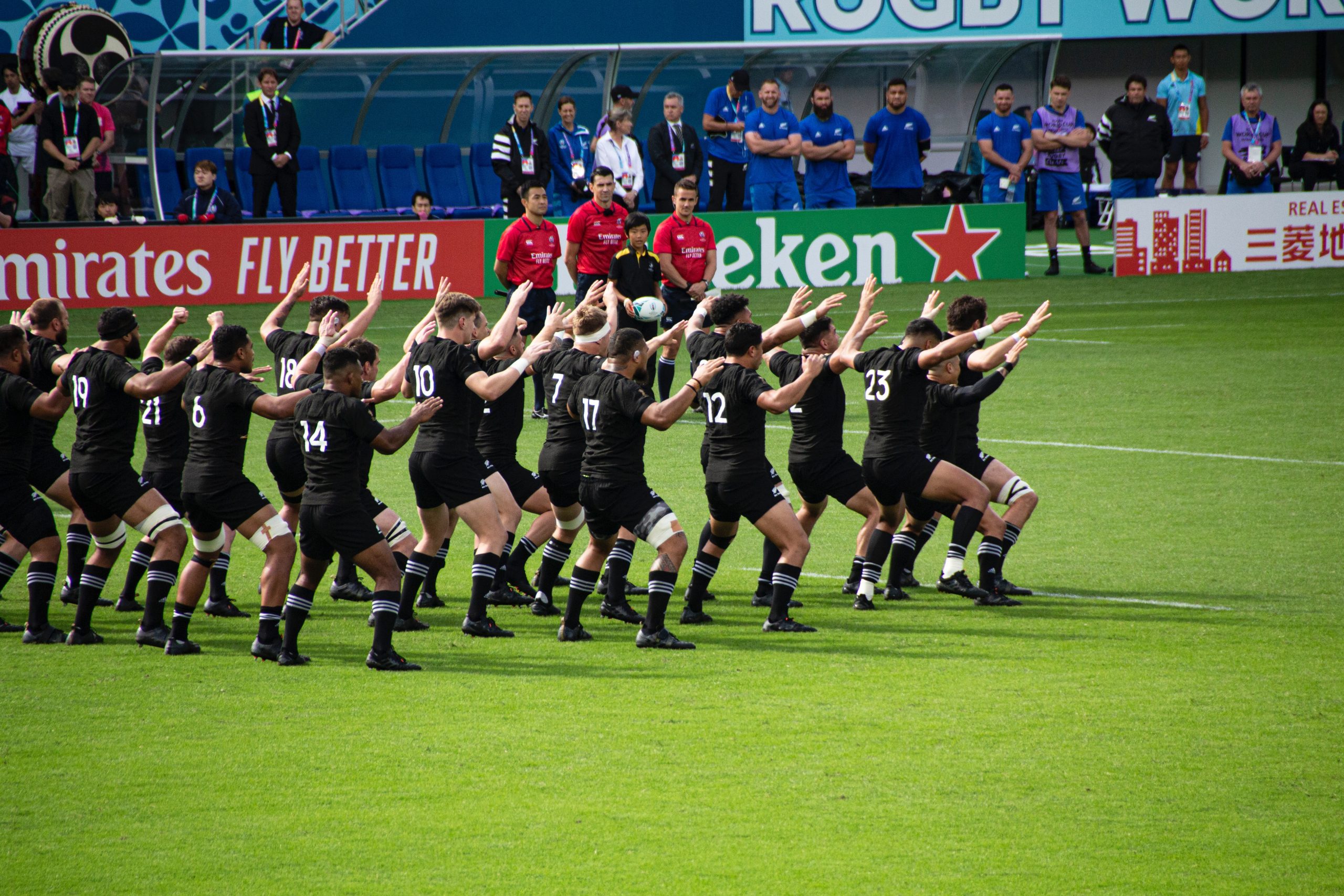
And what happens when good energy is coupled with high skill, experience, knowledge, and behaviour? Well, then you get the greats. Think of the likes of Tiger Woods, Rafa Nadal, Michael Jordan, Tom Brady, Virat Kohli, and Cheslin Kolbe. Envision these athletes in action. Yes, they are of course phenomenal physical specimens who use sound techniques to perform their skills. But they have electrifying energy too. And that plays a significant part in them separating themselves from the rest.
Cultivating Emotional Energy
Unlike how tall we are or how much talent we are born with, emotional energy is a controllable. That is to say, there are steps every athlete can take to perform with optimal emotional energy.
The source of our emotional energy largely comes from WHY we play. Athletes who are in tune with their “why” and who have a “why” that is inspiring and motivating, typically bring energy that drives performance and maximises talent. While athletes who have no reasons (or weak reasons) for playing struggle to bring vigour, desire, and passion to their performances.
The most common reason to play is for the love of the game. Watch the show Quarterback on Netflix. Patrick Mahomes, the Kansas City Chief’s star player just loves the sport of American Football – that’s what fuels his sparkling energy on the gridiron. However, many top-performing athletes find their energy from elsewhere.
For instance, eight-time grand slam winner, Andre Agassi, has openly said that he hated tennis but was motivated by the money that he earned from the sport which allowed him to live a lavish lifestyle and to take care of his family. That’s why he got out of bed every morning of a 21-year career in professional tennis.
While Springbok captain Siya Kolisi has frequently cited his reason for playing rugby is to bring South Africa together and to give his country hope. He puts his body on the line because of his want to make his native land a better place through success on a rugby field.
The point is that although these athletes are motivated by different powers, they all have a “why” they can lean into to extract emotional energy from. And that’s what contributes to them being as good as what they are.
The Closing Word
Emotional energy plays a crucial part in peak performance. To play with energy, we must know where to find it and how to cultivate it. Through no fault of their own, many athletes don’t know why they play the game and their energy levels, and consequently performances, suffer because of this. Effective team coaches create collective reasons to play which often inspire individual players. However, my challenge to every athlete who reads this is to not leave your “why” to someone else to stumble upon. Turn inward, think about what drives you, connect with that force, bring that to every practice session and match you participate in, and watch your emotional energy and performances soar.