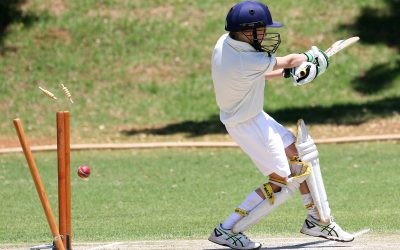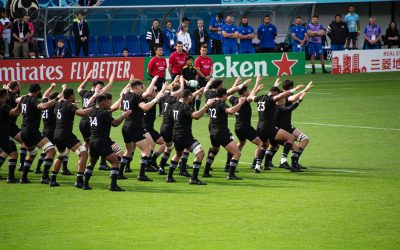
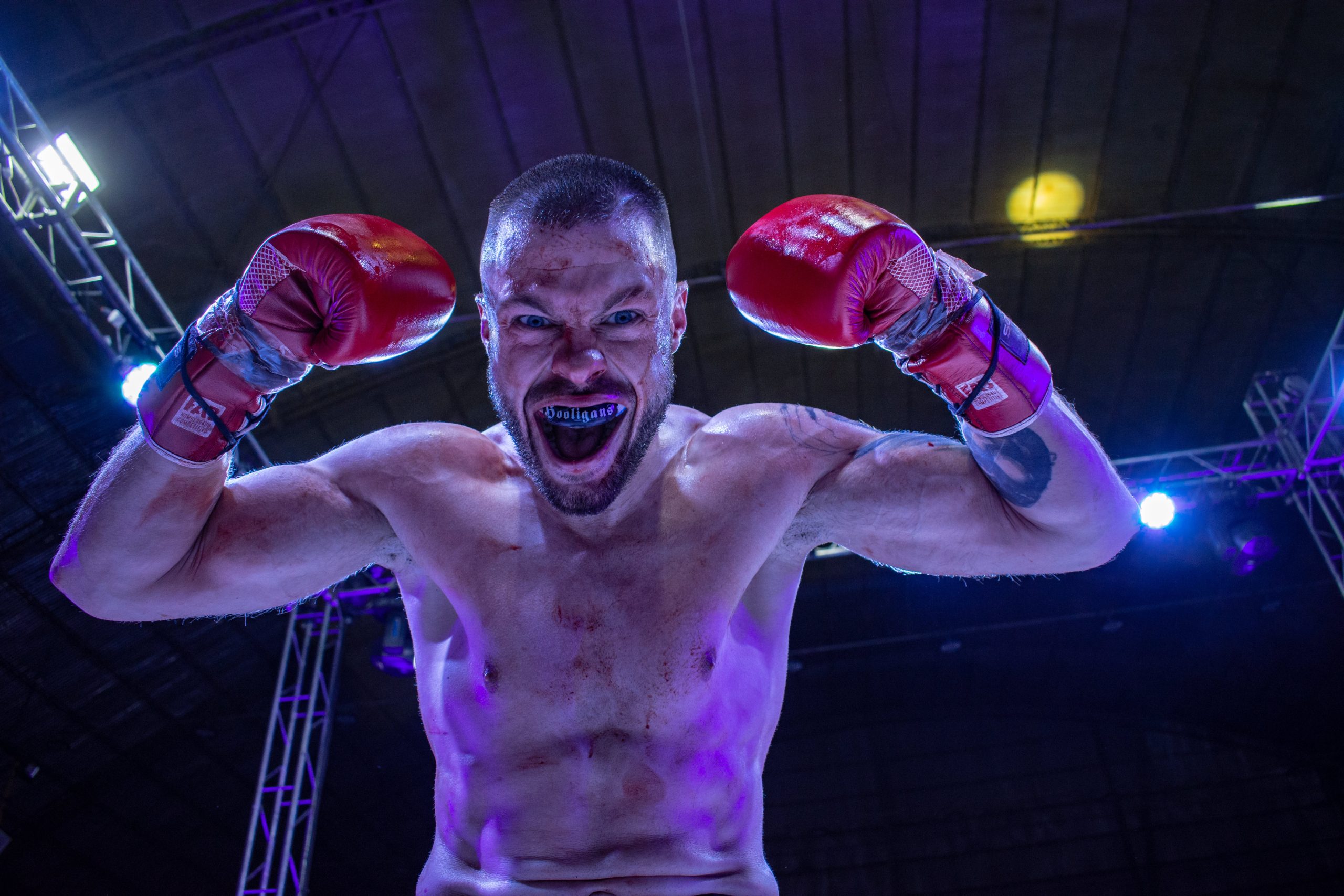
Mental resilience in sport refers to the athlete’s ability to keep attempting to put their best foot forward in the face of chaos and adversity. Rafael Nadal is an athlete who embodies mental resilience in sport perfectly. Watch him when he’s down. No matter how dire the circumstances, he just keeps coming, investing everything he has into every point he plays.
Chaos and adversity are part and parcel of high-performance sport. By definition, high-performance sport is the best going at the best. Very rarely will contests pass by without either side being presented with hardship, difficulty, or obstacles. And so possessing mental resilience is a crucial part of being able to perform in this arena. So how does one develop mental resilience?
Set Goals
Strategically setting goals is an effective way to develop mental resilience. The athlete with goals that carry meaning has a reason to persevere when the going gets tough. They have something to keep moving towards despite the suffering that is in front of them in the present moment. Goals provide perspective – I will not be here forever, I must climb over this rock because it is part of my journey to the top of the mountain.
At eight-years-old, Michael Phelps set himself the goal of competing at the Olympics. From that point onwards, he framed every obstacle he encountered in his career as merely something he needed to get past to achieve his goal. He ended up not only realising his goal, but becoming the most decorated Olympian of all time – winning a total of 28 medals.
Adopt a Growth Mindset
A growth mind-set is a way of thinking that sees every experience as an opportunity to get better. This is useful in building mental resilience as when presented with challenges, the athlete never sees lost causes. Rather, they see the chance to confront the challenge bravely and to learn from it, regardless of how the game finishes. Within this frame of thinking, success equals growth (not victory).
Six times NBA champion, Michael Jordan, perfectly captures what a growth mind-set is and why it promotes mental resilience in one of his most famous quotes: “I’ve failed over and over and over again in my life and that is why I succeed.”
Play for Something Bigger than Yourself
When things don’t go our way in sport, its painful. And if the only reason we’re playing is for ourselves, then its only normal to want that pain to go away as soon as possible. And the fastest way to make that pain go away is to give up. Because if you’re not trying, getting beat doesn’t hurt so much. That way of being is the antithesis of being mentally resilient.
However, when an athlete plays for something bigger than themselves, it’s much easier to keep fighting despite the pain because the athlete carries the hopes and dreams of others with them. The pain becomes more bearable because it has meaning that reaches beyond the self.
Every Rugby World Cup winning Springbok captain (Francois Pienaar, John Smit, and Siya Kolisi) have referenced the power of the team playing for the entire country as a point of differentiation between the Springboks and other countries. It’s hard to deny this playing for others is one of the reasons why the Springboks have won more Rugby World Cups than any other nation in the history of the sport.
Conclusion
The concept of mental resilience in sport is a beautiful one. It teaches us to keep scrapping. It gives us the best possible chance of winning and guarantees that when we lose, we lose nobly. It shifts attention towards effort, character, and integrity – aspects of sport that the athlete can control. And most importantly, it speaks to what sport is really about – my all against your all.
Mental resilience is a non-negotiable for any athlete who wants to perform to their potential. If you feel you want to become a more resilient athlete, get in touch with me and I’ll help you play the way you want to.